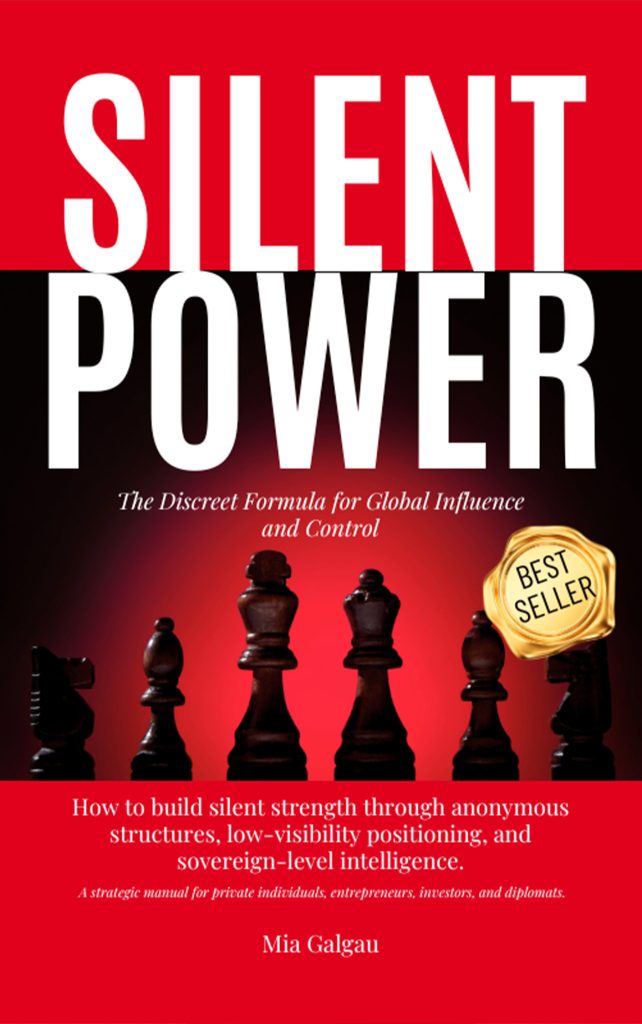
Silent Power influence architecture
Silent Power is more than a book — it is a framework for understanding how influence operates across legal, corporate, and informational systems. In a world of constant surveillance and exposure, the ability to shape outcomes without public visibility has become the highest form of power. This article explores the core concepts of Silent Power and its practical architecture for building discreet influence structures that remain lawful, ethical, and strategically effective in 2025.
The Meaning of Silent Power
Traditional power depends on visibility — leaders, brands, and institutions competing for attention. Yet in modern governance, finance, and diplomacy, exposure often leads to vulnerability. Silent Power represents the opposite approach: creating resilient influence networks that do not rely on public image but on structure, trust, and control of information.
From a legal standpoint, the concept aligns with compliance and privacy frameworks such as the EU General Data Protection Regulation (GDPR) and the OECD Base Erosion and Profit Shifting (BEPS) principles, which both emphasize transparency and lawful structuring. Silent Power does not advocate opacity — it advocates selective disclosure and layered ownership logic within the boundaries of international law.
The Architecture of Influence
Every structure of power — whether political, corporate, or informational — operates through architecture. The architecture of influence in Silent Power combines four essential layers:
- Legal Architecture: Using compliant frameworks such as trusts, holding companies, and governance boards to distribute liability and preserve control. These must comply with international standards, including AMLD6 (Directive (EU) 2018/1673) and OECD transparency rules.
- Operational Architecture: Designing systems that function without the founder’s direct visibility. This includes delegated administration, cross-border licensing, and digital governance protocols.
- Digital Architecture: Managing data traces, metadata, and algorithmic perception. Every online action generates a narrative — controlling this narrative defines modern power.
- Narrative Architecture: The ability to shape what is known, believed, or said about you or your entity. This is where influence becomes durable and strategic.
Visibility vs. Control
In 2025, influence is not about being seen — it is about being structurally present. Politicians, investors, and advisors who understand how to operate under public regulation while maintaining operational privacy can act faster, negotiate better, and reduce exposure to reputational or legal risks.
Legally speaking, this requires a clear distinction between beneficial ownership (as defined under FATF Recommendations 24–25) and management roles. Proper documentation, cross-jurisdictional compliance, and certified reporting (such as under the OECD Common Reporting Standard) ensure that discretion remains within the law.
Building a Lawful Invisible Structure
Creating a “silent” architecture does not mean evading transparency — it means designing systems where visibility adds no vulnerability. This involves:
- Registering all entities in jurisdictions with stable legal systems and reciprocal information agreements.
- Maintaining full compliance with AML (Anti-Money Laundering) and KYC (Know Your Customer) rules.
- Segmenting public and private ownership layers — for example, separating brand identity from strategic holding structures.
- Applying data minimization principles in all digital communications.
From Individual to Institution
The ultimate goal of Silent Power is institutionalization — transforming individual intelligence into systems that endure beyond their creators. Foundations, holding companies, family offices, and digital infrastructures become carriers of intent, capable of operating long after visibility fades.
This transformation aligns with the evolution of global governance and compliance: from individual power to systemic resilience. The most powerful entities of the future will not be those that shout the loudest, but those whose influence is structurally untraceable yet legally impeccable.
Conclusion
Silent Power is not secrecy — it is mastery. It is the art of acting decisively within lawful boundaries while minimizing exposure. In the emerging geopolitical and financial environment of 2025, discretion is not only a matter of privacy but of survival. Building silent architectures of influence ensures continuity, credibility, and control — the true trinity of enduring power.
For further insights, visit our Shop and explore the full edition of Silent Power – The Discreet Formula for Global Influence and Control.